

Table of Contents
- What Makes Heavyweight Canvas Fabric Different
- Key Properties That Define Heavyweight Canvas
- Canvas Fabric Weight Guide: GSM and Ounce Ratings
- Real-World Applications for Heavy Canvas
- How to Care for Heavy Duty Canvas
- Cost-Benefit Analysis: Why Heavyweight Canvas Pays Off
- Environmental Impact and Sustainability
- Frequently Asked Questions
Last Updated: September 29, 2026
What Makes Heavyweight Canvas Fabric Different
Heavyweight canvas fabric is a densely woven textile engineered to withstand extreme stress, abrasion, and environmental exposure. Unlike lighter fabrics that flex and tear under load, heavyweight canvas maintains structural integrity through its tight weave density and substantial fiber content. The difference isn't subtle, it's the gap between gear that lasts a season and gear that lasts a decade.
Weave density, fiber quality, and weight classification determine whether fabric performs or fails under real working conditions. Evergreen Gear has built its reputation on understanding this distinction, crafting workwear from heavyweight canvas that transitions seamlessly from jobsite to street.
Heavyweight canvas, properly constructed and maintained, serves a tradesman for five to ten years or more through superior material selection and engineering.
Key Properties That Define Heavyweight Canvas
Heavyweight canvas fabric possesses specific physical characteristics that determine its performance in demanding environments. These properties work together to create a material that resists degradation, maintains shape under load, and improves with age rather than deteriorating.
Tensile Strength and Tear Resistance
Tensile strength measures pulling force before breaking. Heavyweight canvas exhibits exceptional tensile strength due to its tightly packed fiber structure and substantial thread count, preventing catastrophic failure under tool weight, movement, or environmental pressure.
Tear resistance is equally critical. Heavyweight canvas resists both steady pressure and puncture because its dense weave distributes load when threads break, preventing tears from propagating, a canvas vest catches on a nail and survives while lighter fabrics shred.
Water Resistance and Weather Protection
Heavyweight canvas naturally resists water penetration due to its tight weave density, though prolonged saturation or high-pressure spray will eventually penetrate untreated canvas.
Synthetic treatments fill microscopic gaps in the weave, creating a hydrophobic barrier while maintaining breathability, so treated canvas sheds rain, resists staining, and dries faster than untreated canvas.
Heavyweight canvas withstands UV exposure better than lighter fabrics because its density protects inner fibers. The fabric may fade but structural integrity remains intact, so canvas gear ages visibly without functional deterioration.
When selecting heavyweight canvas for outdoor use, verify whether the fabric has been treated for water resistance. Untreated canvas will absorb moisture and take longer to dry, while treated canvas maintains its weather-protective properties with minimal maintenance.
Canvas Fabric Weight Guide: GSM and Ounce Ratings
Two measurement systems dominate canvas classification: grams per square meter (GSM) and ounces per square yard (oz/yd²), both measuring fiber density using different scales.
Understanding GSM and Thread Count
GSM (grams per square meter) represents fabric weight per square meter. Higher GSM indicates greater fiber density, which directly correlates to durability, tensile strength, and tear resistance.
Thread count measures threads per inch in warp and weft directions. Heavyweight canvas typically features 12-20 threads per inch, with higher counts creating tighter weaves and greater structural stability.
The best heavyweight canvas combines substantial thread weight with high thread density, resisting both puncture and elongation.
Durability of 12oz Duck Canvas and Heavier Grades
The 12-ounce (12oz) duck canvas classification provides optimal balance between durability and workability at approximately 400-420 GSM.
Duck canvas refers to a tight plain weave of cotton fibers with uniform density and predictable performance, making it the preferred choice for tool vests, work aprons, and structural applications.
Heavier grades (14oz, 16oz+) offer increased durability for extreme-use applications but become progressively stiffer and more prone to cracking at fold lines if not properly maintained.
Ultra Heavy Weight T Shirt--USA Made →
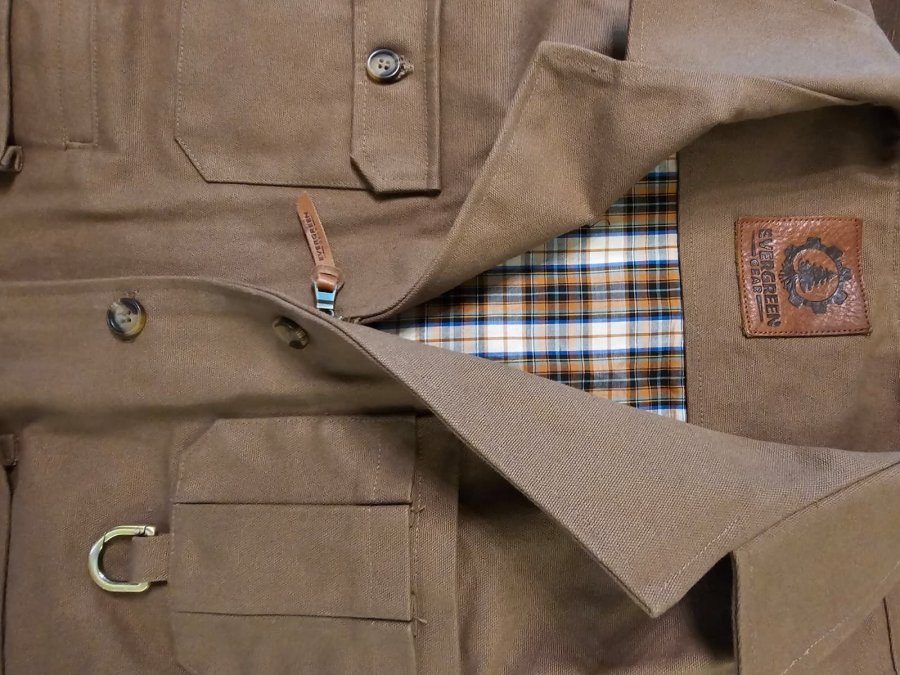
For most workwear applications, 12oz heavyweight canvas delivers exceptional durability, maintains reasonable flexibility, and ages beautifully. Evergreen Gear's tool vests use heavyweight canvas in this classification, ensuring they withstand daily jobsite conditions while remaining comfortable enough for extended wear.
Real-World Applications for Heavy Canvas
Industrial and Structural Uses
Heavyweight canvas fabric serves critical roles in industrial environments where failure carries serious consequences. Tarps and covers manufactured from 14-16oz canvas protect equipment, materials, and work areas from weather and contamination. The fabric's resistance to tearing and water penetration makes it reliable for temporary and permanent installations.
Canvas is also used in structural applications where fabric must bear load. Awnings, canopies, and temporary structures rely on canvas's tensile strength to support weight and resist wind loading. The tight weave density prevents sagging and maintains structural geometry over extended periods.
Industrial conveyor belts, hose covers, and protective sleeves use heavyweight canvas because the fabric must resist abrasion from moving components. A lighter fabric would fray and degrade within weeks. Heavyweight canvas maintains integrity for years under continuous mechanical stress.
Workwear and Tool Vests
Professional-grade tool vests and work aprons represent the most visible application of heavyweight canvas in daily work environments. A quality tool vest must accomplish multiple objectives simultaneously: distribute tool weight evenly, resist tearing from sharp edges, accommodate repeated reaching and bending, and maintain appearance across seasons of use.
Heavyweight canvas excels at each requirement. The fabric's tensile strength prevents tool weight from tearing pocket seams. The tight weave resists snagging on job-site obstacles. The material's inherent durability means that after a year of heavy use, a well-constructed canvas vest looks worn but functions identically to day one.
The Iron Tradesman Tool Vest from Evergreen Gear exemplifies this principle. Constructed from heavyweight American canvas with reinforced pocket placement and authentic hardware, the vest distributes tool weight across the torso while resisting the constant stress of daily use. The fabric's natural character, developing a patina over time, means the vest improves in appearance as it ages, rather than deteriorating.
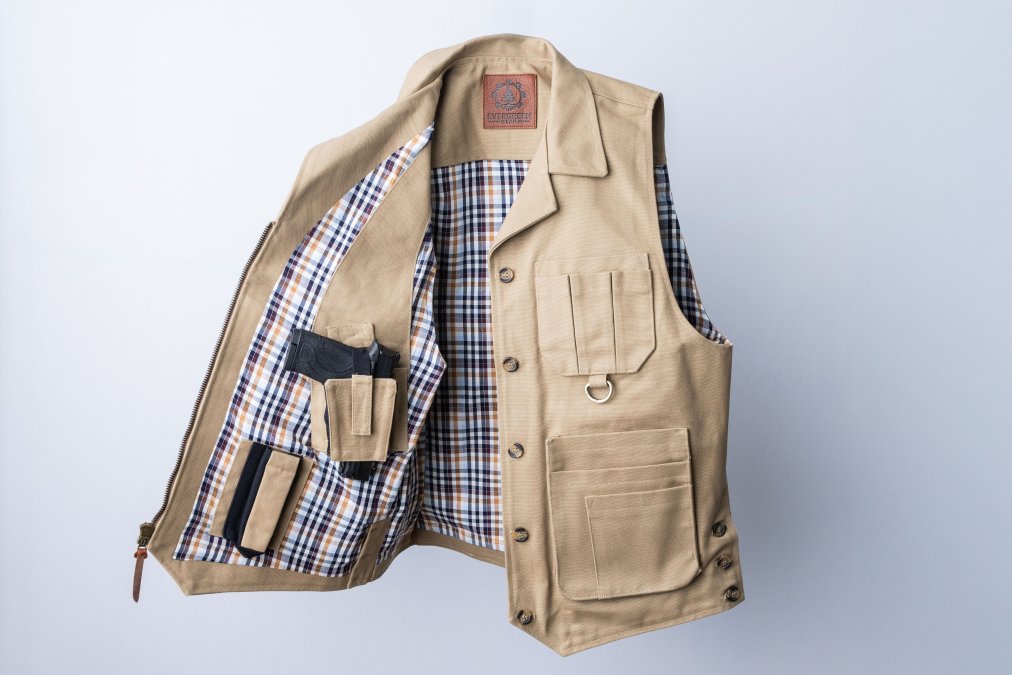
Khaki— The Iron Tradesman Tool Vest
How to Care for Heavy Duty Canvas
Washing and Maintenance Best Practices
Heavyweight canvas requires specific care to preserve its structural integrity and appearance. Machine washing is generally acceptable, but temperature and detergent selection matter significantly. Warm water and mild detergent work best, hot water can weaken cotton fibers and cause premature fading, while harsh detergents break down fabric oils and protective treatments.
Most canvas workwear should be turned inside-out before washing to minimize fading and reduce friction on outer surfaces. Air drying is preferable to machine drying because heat can damage synthetic water-resistant treatments.
Preserving Structural Integrity Over Time
Heavyweight canvas maintains its structural properties longest when stored properly. Keep canvas items in cool, dry conditions away from direct sunlight when not in use. Extended UV exposure, even during storage, can degrade cotton fibers and fade the fabric.
Cost-Benefit Analysis: Why Heavyweight Canvas Pays Off
The initial cost of quality heavyweight canvas workwear exceeds that of cheaper alternatives. However, this comparison ignores longevity and total cost of ownership.
Environmental Impact and Sustainability
Heavyweight canvas manufactured from natural cotton is biodegradable, renewable, and requires no petroleum extraction for production. At end-of-life, canvas returns to the environment without persisting as microplastic pollution.
Feature |
Lightweight Canvas |
Standard Canvas |
Heavyweight Canvas (12oz+) |
|---|---|---|---|
GSM Range |
200-300 |
300-400 |
400+ |
Typical Lifespan |
1-2 years |
2-4 years |
5-10+ years |
Water Resistance |
Minimal |
Moderate |
Excellent |
Tear Resistance |
Low |
Moderate |
High |
Best For |
Casual use |
General workwear |
Professional/heavy-duty |
Fabric Feel |
Soft, flexible |
Balanced |
Structured, durable |
Frequently Asked Questions
What is the difference between duck canvas and standard canvas?
Duck canvas is a tighter, more densely woven form of heavyweight canvas with superior tensile strength and abrasion resistance. The tighter weave density and higher thread count make duck canvas more resistant to tearing and puncture damage. Standard canvas, by contrast, has a looser weave and lower GSM rating, making it suitable for lighter applications like art projects or casual bags. For workwear and tool vests, duck canvas provides the structural stability and durability needed for demanding job sites.
How does canvas weight affect the durability of work shirts?
Canvas weight directly correlates with durability. Heavier fabrics, measured in ounces per square yard or GSM, have greater fabric weight and denser weave patterns that resist abrasion and tearing. A 7.2 oz heavyweight t-shirt, for example, will outlast a standard 4-5 oz shirt by years under the same wear conditions. The increased fiber content and thread count create better structural integrity, preventing premature wear at stress points like seams and pocket areas. Heavier canvas also maintains its shape and color retention through repeated washing and heavy use.
Is heavy weight canvas breathable for daily wear?
Yes, heavyweight canvas can be breathable when made from 100% cotton with proper weave construction. Cotton canvas naturally allows moisture wicking, preventing sweat buildup during active work. The breathability depends on the weave density and fiber type rather than weight alone. A 7.2 oz cotton canvas t-shirt provides both durability and comfort for all-day wear because the cotton fibers allow air circulation while the heavier weight ensures the garment won't deteriorate under physical demands. This balance makes heavyweight cotton canvas ideal for professional tradesmen who need reliable, comfortable workwear.
What makes heavyweight canvas resistant to abrasion?
Heavyweight canvas resists abrasion through its dense weave structure and high thread count. The tightly interlocked fibers create a protective barrier against friction, snagging, and surface wear. Abrasion resistance improves with greater fabric weight because more fibers are packed into each square inch, requiring more rubbing action to break through the material. Cotton canvas with proper synthetic treatments for water and stain resistance further enhances its ability to withstand harsh job site conditions. This combination of weave density, fiber content, and optional treatments makes heavyweight canvas a reliable choice for tool vests and work apparel that must endure constant contact with rough surfaces and equipment.