

Table of Contents
- Why Heavyweight Canvas Lasts Longer: The Core Reasons
- Duck Canvas Weight Guide: GSM, Ounces, and What They Mean
- Abrasion Resistance, Tensile Strength, and Tear Strength
- Canvas Treatments and Weather Resistance
- How to Break In Stiff Canvas Workwear
- Maintaining Canvas Work Gear for Long-Term Durability
- Repairability, Environmental Degradation, and Extending Canvas Life
- Conclusion: Choosing Heavyweight Canvas That Goes the Distance
- Frequently Asked Questions
Last Updated: September 13, 2026
Why Heavyweight Canvas Lasts Longer: The Core Reasons
Heavyweight canvas lasts longer because more mass sits in every thread. A denser, thicker yarn resists the mechanical wear that shreds lighter fabrics, and that fact explains almost everything else about durability. This guide breaks down the textile engineering behind the claim, then shows you how to buy and maintain gear that survives the job.
Two variables do most of the work: fiber thickness and weave density. Get both right and you have a fabric that shrugs off abrasion, holds its shape under load, and outlives the cheap alternative by years. Get either wrong and you are replacing your workwear on a schedule you did not choose. According to the American Society for Testing and Materials, standardized test methods for abrasion and tensile strength exist precisely because fabric performance is measurable, not a matter of marketing.
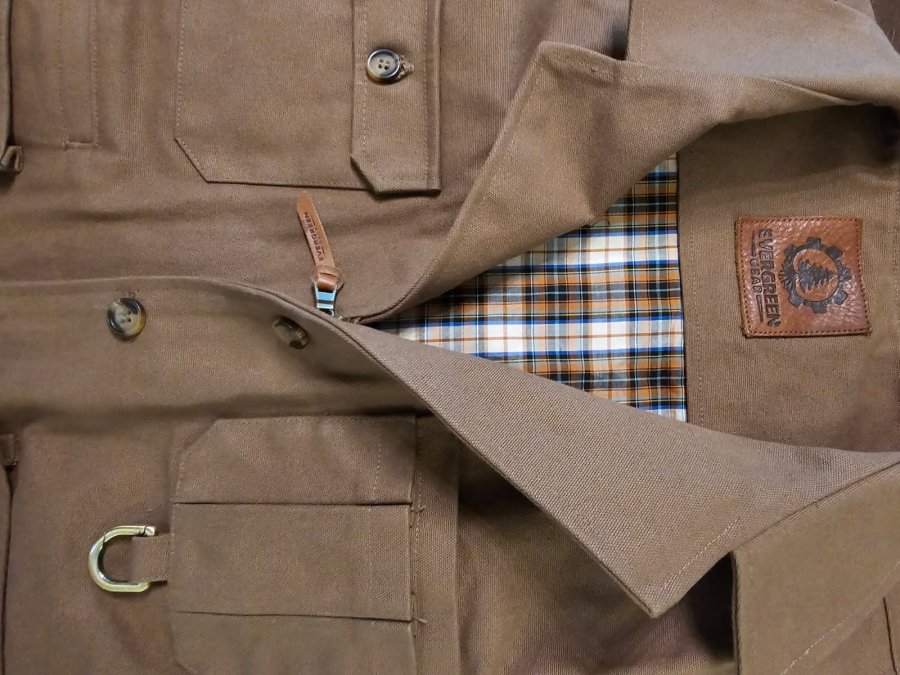
Fiber Thickness and Yarn Quality
Fiber thickness is the single biggest predictor of how a canvas wears. Heavier yarn means more fibers packed into each strand, and more fibers means a slower path to failure. Long-staple natural fibers spin into stronger yarn because fewer fiber ends create weak points. A tightly spun, uniform yarn distributes tensile load evenly, while a loose, slubby yarn concentrates stress at thin spots and tears there first.
Weave Density and Structural Integrity
Weave density determines how tightly those yarns lock together. A dense plain weave interlaces warp and weft threads at every pass, spreading mechanical wear across a wider surface. Sparse weaves let grit work between threads and abrade them from the inside. Dense weaves also hold structural integrity better under repeated flexing, so the fabric does not bag out at the elbows or knees.
Duck Canvas Weight Guide: GSM, Ounces, and What They Mean
Duck canvas is graded by weight, expressed in ounces per square yard or grams per square meter (GSM). The number tells you how much fabric mass sits in a given area, and it predicts durability more reliably than any marketing claim. A 10 oz canvas is a light jacket shell; a 20 oz canvas is a tool vest that outlasts three cheap replacements.
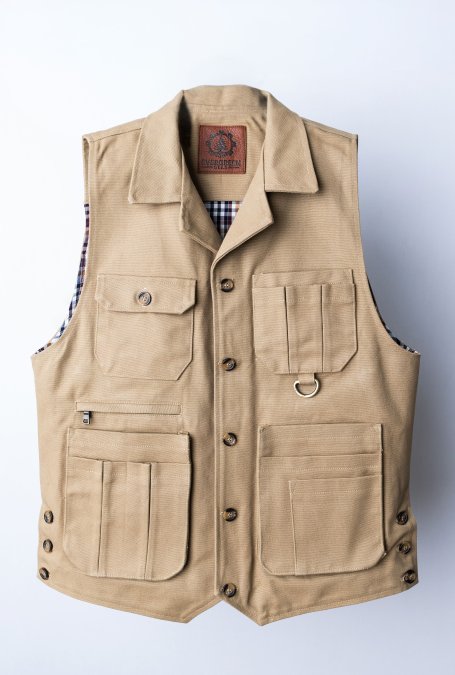
Tobacco — The Iron Tradesman Tool Vest
Weight |
GSM (approx.) |
Typical Use |
Durability Profile |
|---|---|---|---|
7-10 oz |
237-339 |
Shirts, light bags |
Moderate wear |
12-14 oz |
407-475 |
Work pants, aprons |
Daily jobsite use |
16-18 oz |
542-610 |
Vests, heavy jackets |
Years of hard wear |
20 oz+ |
678+ |
Tool vests, tarps |
Extreme duty |
How to Match Weight to Your Work
Match weight to the abuse the garment will take, not to the season. Tradesmen in tight spaces want a mid-weight canvas with enough flexibility to move; outdoor crews who load vests with tools want 16 oz and up. A common mistake is buying the heaviest fabric available for a shirt. You pay for weight you cannot use and lose the flexibility you needed.
Abrasion Resistance, Tensile Strength, and Tear Strength
Abrasion resistance, tensile strength, and tear strength are three separate properties, and a good canvas needs all three. Abrasion resistance governs how the surface handles friction against concrete, metal, and grit. Tensile strength measures how much pull the fabric takes before it stretches or snaps. Tear strength measures how well it resists a rip once a cut starts. Heavyweight canvas wins on all three because thicker yarn and denser weave raise every threshold at once.
Abrasion wears the surface, but tear strength decides whether a small snag becomes a ruined garment. A dense weave stops a puncture from propagating because the surrounding threads share the load.
Canvas Treatments and Weather Resistance
Weather resistance in heavyweight canvas comes from three layers of defense: the natural density of the weave, the finish applied at the mill, and any field-applied treatment you add over time. Knowing which layer is doing the work tells you how to maintain it and when it has failed.
The weave as first defense. A tightly woven heavyweight canvas, typically a plain-weave duck with a high thread count per inch, sheds light rain on its own because water struggles to pass between compressed threads. The tighter the weave, the smaller the gaps, and the more the fabric relies on surface tension rather than chemistry to keep water out. That is why an untreated 18 oz duck canvas beads water for the first few minutes of a shower with no coating at all.
Mill-applied finishes. Most workwear canvas leaves the mill with one of three finish families:
- Wax (paraffin or beeswax blends): Penetrates the yarn, adds water resistance, and stays breathable. Wears off gradually and can be reapplied at home. Common on heritage-style jackets and field coats.
- Oil-based treatments: Heavier than wax, more water-resistant, less breathable. Traditional on tarps and heavy outerwear. Can transfer to surfaces and picks up grit.
- Synthetic coatings (polyurethane, acrylic, PTFE laminates): Maximum water resistance, often fully waterproof. Sacrifice breathability almost entirely. Common on technical workwear and bags.
The breathability trade-off is real. A fully coated canvas keeps rain out but traps sweat vapor inside, which matters on a hot jobsite where you generate moisture faster than the fabric can move it. Many tradesmen prefer a lighter wax finish that can be reapplied as it wears, keeping some breathability while adding water resistance. The rule of thumb: the more waterproof the finish, the less breathable it is.
UV degradation is the slow clock. Sunlight breaks down both natural fibers and the coatings protecting them. Untreated canvas fades and weakens over seasons of UV exposure; treated canvas slows the process but does not stop it. Reapplying a UV-blocking wax or coating is the most effective way to extend the life of canvas that lives outdoors.
Mold and mildew. Mold resistance depends almost entirely on keeping the fabric dry and clean. Trapped moisture in a folded vest grows mildew, not the canvas itself. A coated canvas that cannot breathe actually increases mold risk because moisture that gets in stays in, the hidden cost of maximum water resistance.
For what fiber-content and treatment claims legally mean on a label, the Federal Trade Commission's guidance on textile labeling is the reference point.
How to Break In Stiff Canvas Workwear
New heavyweight canvas is stiff, and that is a feature, not a defect. The break-in period is when the fabric molds to your body, softening at the stress points you actually use. The fastest safe way:
- Wear the garment for short sessions first, an hour or two at a time
- Work in it, do not just stand in it; flexing accelerates softening
- Spot-clean rather than machine-washing early on
- Avoid heat; high dryer temperatures shrink and stiffen canvas
- Give it weeks, not days, to conform to your frame
A common mistake is throwing new canvas in a hot dryer to soften it. Heat sets the fibers and can shrink the garment, undoing the fit you paid for. Patience and movement do the work.
Maintaining Canvas Work Gear for Long-Term Durability
Maintaining canvas work gear comes down to cleaning, drying, and re-treating on a schedule. Brush off dry dirt before it works into the weave, because grit inside the fabric acts like sandpaper on the threads. Wash sparingly and cold, and air-dry every time. Reapply wax or coating when water stops beading, your signal the treatment has worn through.
Store canvas flat or hung, never wadded in a damp bag. Canvas needs airflow to dry fully, and trapped moisture is the enemy of fabric longevity. A little routine care separates a ten-year vest from a two-year one.
Repairability, Environmental Degradation, and Extending Canvas Life
Most guides on canvas durability stop at "buy heavier fabric." That misses the two forces that determine whether a heavyweight garment lasts a decade or two years: how it degrades, and whether you can repair it. Heavyweight canvas wins on both, but only if you understand the mechanisms.
The three degradation clocks
Every canvas garment is running against three separate clocks at once:
1. Mechanical abrasion. Friction against concrete, metal edges, and grit grinds down surface fibers. Heavyweight canvas resists this longer because there is more material to lose before the structural yarns are exposed. A 20 oz duck can lose surface fuzz for years before the weave itself is threatened.
2. UV degradation. Sunlight breaks the polymer chains in both natural and synthetic fibers. Cotton loses tensile strength under prolonged UV exposure; the fabric fades, then weakens, then fails at stress points (PubMed). UV damage cannot be reversed, only slowed with UV-blocking treatments and by avoiding unnecessary sun exposure when the garment is not in use.
3. Moisture and biological breakdown. Mildew and mold digest cellulose fibers. Once mildew stains set in, the damage is permanent because the organisms have eaten into the fiber structure. The defense is airflow and dryness, not chemicals. A canvas vest stored damp in a locker can develop mildew in days; the same vest hung to dry lasts decades.
Heavyweight canvas resists all three longer because there is more material to lose before the structure fails, but the clock still runs.
Why repairability is the durability multiplier
This is the angle most guides ignore. A heavyweight canvas garment is an investment because it can be repaired rather than replaced. Lightweight synthetics often cannot be repaired economically, a torn panel means a new jacket. Heavy canvas can be patched, re-stitched, and re-waxed, so a single worn panel does not condemn the whole garment.
Common repairs and how to approach them:
Problem |
Fix |
Notes |
|---|---|---|
Surface abrasion |
Re-wax and patch early |
Catch it before the structural yarns are exposed |
Loose stitching |
Re-stitch at stress points |
Use heavy-duty thread; reinforce before it fails |
Small tears |
Patch from behind with canvas scrap |
Match weave weight to the original fabric |
Mildew staining |
Dry fully, treat, never store damp |
Stops further fiber breakdown; stains may remain |
UV fading |
Re-treat with UV-blocking wax |
Slows degradation; does not reverse it |
Worn cuffs or hems |
Bind with canvas tape |
Extends life at the highest-wear edges |
A repairable vest that lasts a decade beats a disposable one every time. A heavyweight vest repaired twice over ten years can be a more cost-effective choice than multiple lightweight replacements, and it fits better every year because it has molded to your body.
The break-in period as a durability signal
Heavyweight canvas changes physically as it ages. New fabric is stiff because the sizing and tight weave hold the yarns rigid. With wear, the fibers flex, the weave loosens slightly at stress points, and the fabric conforms to your frame. This is not degradation, it is the fabric reaching its optimal state. A garment that never breaks in usually signals low-quality fiber or excessive synthetic finish; one that breaks in well is one you will want to repair rather than replace.
Conclusion: Choosing Heavyweight Canvas That Goes the Distance
The reason heavyweight canvas lasts longer is not marketing; it is mass, density, and repairability working together. Thicker yarn, a tighter weave, and the ability to patch and re-treat mean the garment keeps going long after lighter alternatives quit. When you are ready to stop replacing your workwear every season, Evergreen Gear offers professional-grade American workwear built from heavyweight fabrics with authentic hardware, made in America and designed to carry the demands of your daily work. Shop now and gear up with canvas that goes the distance.
Frequently Asked Questions
What is the difference between 10oz and 12oz canvas?
The number refers to the weight of one square yard of fabric. A 10oz canvas weighs 10 ounces per square yard, while 12oz weighs 12 ounces. The heavier 12oz canvas has thicker yarns and a denser weave, giving it higher abrasion resistance and tensile strength. For heavy-duty applications like tool vests or work pants, 12oz and above is the standard. Lighter weights work for shirts or liners but wear through faster under constant friction.
Does heavyweight canvas become more comfortable over time?
Yes. Heavyweight canvas goes through a break-in period where the stiff fibers gradually soften and mold to your body. Movement, moisture, and repeated wear relax the weave without sacrificing structural integrity. Most people notice a significant difference after a few weeks of regular use. Washing with cold water and air drying speeds up the process. The fabric keeps its tear strength and abrasion resistance even as it becomes more flexible.
Is heavyweight canvas water-resistant?
Untreated heavyweight canvas resists light moisture because of its tight weave density, but it is not fully waterproof. The fibers swell when wet, which temporarily closes gaps in the weave and slows penetration. For sustained rain, look for canvas with synthetic coatings or wax treatments. These add water resistance without eliminating breathability. Reapply wax or treatment periodically, especially after washing, to maintain weatherproofing on your canvas work gear.
How do you properly care for heavyweight canvas to extend its life?
Brush off dry dirt before washing. Use cold water and mild detergent on a gentle cycle, then air dry away from direct heat. Heat breaks down natural fibers and accelerates UV degradation. For maintaining canvas work gear, re-wax treated items once or twice a year. Repair small tears and worn edges promptly with heavy thread or canvas patches. Storing gear clean and dry prevents mold resistance issues and keeps the fabric ready for the next job.